









The water you put in your humidifier can affect how well it performs, how often you need to clean it, and the quality of moisture it sends throughout your home. If you've ever wondered: what kind of water should I put in my humidifier, or what water is best for humidifiers, you're not alone.
Most humidifier brands have specific requirements, and using the wrong water can introduce unwanted particles into the air or shorten your device's lifespan. Fortunately, if you have a Canopy humidifier, filling it up is simple. Here's a breakdown of water types and how Canopy makes using a humidifier much easier.
What Types of Water Do Humidifiers Use?
Tap water is the obvious go-to since it's always on hand; but depending on where you live, it can carry minerals, chlorine, and other dissolved substances that affect how your humidifier performs1. Bottled water might seem like an easy upgrade, but it's often not much different. Many brands add minerals back in for taste, which means it can behave a lot like tap water once it's inside your device.
Filtered water is a step up, having passed through a physical system, like a pitcher filter, under-sink unit, or reverse osmosis setup. That said, not all filtration methods do the same amount of work. Reverse osmosis is one of the more thorough options, while a basic pitcher filter only targets certain contaminants2.
Distilled water is the purest of the three, made by boiling water and collecting the steam that rises, leaving minerals, bacteria, and other solids behind. It's the gold standard for medical and laboratory use for a reason, and it's also the gentlest option for most humidifiers3.
Does Hard Water Work in Humidifiers?

You've probably heard the terms "hard" and "soft" water before, but the difference comes down to mineral content, specifically calcium and magnesium levels. Soft water is the easy-going one. It rinses cleanly, doesn't leave a residue, and tends to feel gentler on the skin and surfaces. Hard water is the opposite. If you've ever dealt with soap that won't lather, spotty glasses, stiff towels, or that tight, itchy feeling after a shower, hard water is likely the culprit. Over time, those minerals build up on fixtures and appliances, too.
For humidifiers, hard water is the main thing to watch. Many brands say the best water for humidifiers is filtered or distilled specifically because mineral buildup can affect how well the device performs and how long it lasts.
What Type of Water Works Best for My Canopy Humidifier?
This is where Canopy makes things easy. In most cases, the best water for humidifier use is regular tap water. And if you've been asking yourself: what water should I put in my humidifier, the answer really is that simple.
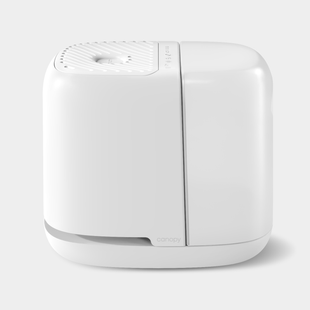
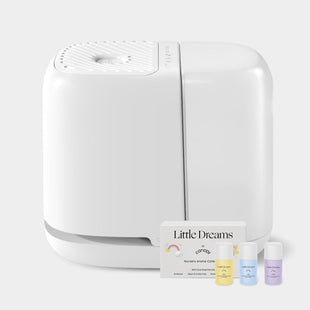
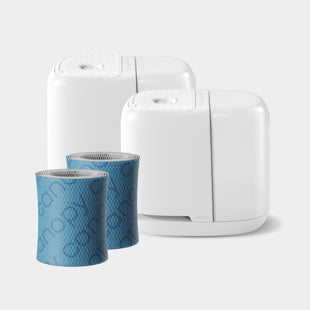
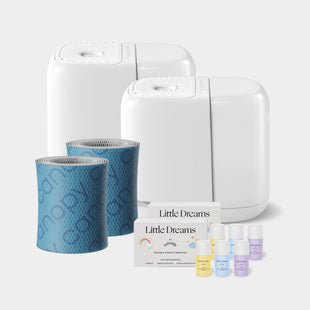
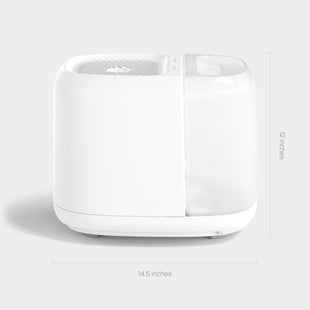
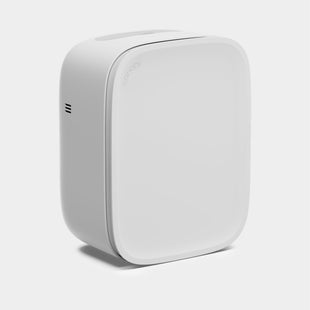
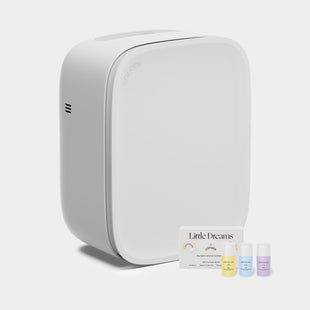
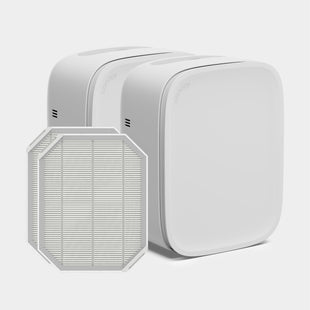
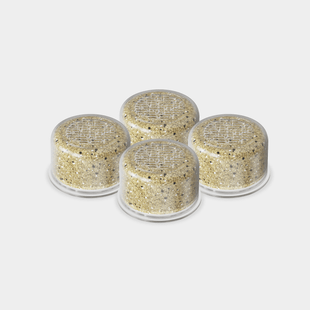
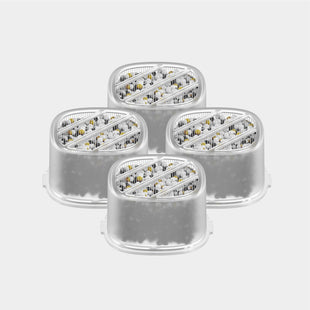
The Bedside Humidifier 2.0, Nursery Humidifier 2.0, and Large Room Humidifier are all designed to work with whatever comes out of your faucet. Each uses a paper wicking filter that captures particles before they reach your air, so what gets released into your space is clean, invisible, evaporative moisture. No mist, no residue, just hydration that your skin, hair, and home will notice. Purified or distilled water works great too, and you may find your filter lasts a little longer between changes.
For those still weighing the best type of water for humidifiers, water hardness is worth factoring in. The harder it is, the more often the filter may need to be replaced. You’ll know it’s time for a swap when the filter is discolored throughout or the unit’s indicator light illuminates. Sign up for a filter subscription so replacements arrive on schedule, and you never have to think about it.
The Best Water For Your Canopy Portable Humidifier
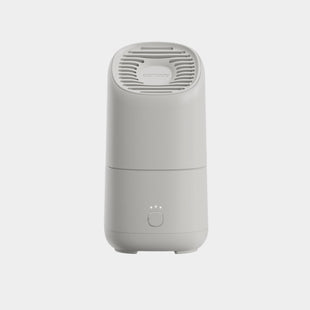
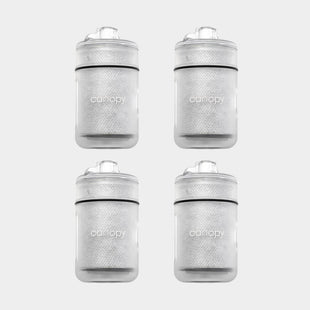
One thing to note about the Portable Humidifier is that it's built for life on the go and works a little differently from Canopy's room models. Without an internal wicking filter, tap water can leave white dust on nearby surfaces from dissolved minerals. It's a minor cosmetic issue that's easy to wipe away and not a sign that anything is wrong with the device. But for the smoothest experience, we recommend filtered, demineralized, or distilled water in the Portable. It puts out a light, cool mist for balanced, comfortable moisture wherever your day takes you.
Refresh Your Air With Canopy Humidifiers
Taking care of your home shouldn't be a hassle. Canopy humidifiers are designed to deliver clean, invisible hydration without the guesswork, whether you're upgrading your bedroom, setting up a cozy nursery, or bringing balanced moisture into your main living space. Find your perfect humidifier device or bundle and enjoy a more comfortable, refreshing home.
Sources:
- (9 July 2024). What Kind of Water Should You Use in a Humidifier? US Water Systems. Retrieved May 7, 2026, from https://uswatersystems.com/blogs/blog/what-kind-of-water-should-you-use-in-a-humidifier
- Faria daCunha, X. (6 March 2026). Filtered Water vs. Distilled Water: The Main Differences. Angi. Retrieved May 7, 2026, from https://www.angi.com/articles/filtered-water-vs-distilled-water.htm
- Kubala, J. (28 April 2026). Purified vs Distilled vs Regular Water: What’s the Difference? Healthline. Retrieved May 7, 2026, from https://www.healthline.com/nutrition/purified-vs-distilled-vs-regular-water


