














While many babies come to love bathtime as they grow, some may initially feel uncertain about the experience. Bathing with your baby is an excellent way to gradually introduce baths, as your comforting touch helps them feel safe and relaxed. If you’re considering co-bathing with your baby, here are some helpful tips to bear in mind.
Why Co-Bathing Can Be Good for Babies
Many adults enjoy taking baths regularly, so it’s no surprise that babies may feel soothed by the sensation of warm water, too. But co-bathing with your baby is unique in that it incorporates skin-to-skin contact, which can have additional benefits for both babies and parents.
For one, skin-to-skin contact during bathtime can help regulate your little one’s body temperature and blood pressure. It also offers comfort, which can be especially helpful for newborns who may be uneasy about the unfamiliar sensations of bathtime1. Plus, it’s a great way to bond while also ensuring both parent and baby get a suds session, which can be a tricky feat during the busy newborn days!
Tips for Safe Co-Bathing

As with any activity involving your baby, there are certain practices to follow when co-bathing to make the experience as safe as possible.
Wait Until They’re Ready
While bathing with your baby can be an enjoyable bonding experience, experts advise sticking to sponge baths if their umbilical stump is still in place. Thereafter, feel free to bathe with your little one, but wait to enjoy the benefits of showering with your baby until they can support their head and neck2.
Put Non-Slip Mats Down
Bathing and showering can be slippery. Having a mat on the bottom of your tub and shower will promote better traction to help prevent slips. The same goes for having pads or rugs down as part of a fully baby-proofed bathroom.
Gather Your Supplies
You won’t be able to get out of the tub conveniently once you’re in, so make sure you have any supplies within reach beforehand. Place your baby bath soaps, a bath glove, and any other products or supplies you intend to use nearby, along with towels to warm and dry your baby off as soon as bathtime is over.
Hit the Right Baby Bath Water Temperature
Even if you enjoy a steamy shower or bath, be sure to keep the temperature mild for your baby’s sensitive skin. The sweet spot is about 99° Fahrenheit, so consider purchasing a bathtub thermometer for peace of mind3.
Keep It Shallow
Since you’ll want to ensure you keep your baby’s head above water the entire time, it’s easiest to fill the tub minimally. Don’t forget that the water level will rise once you’re in the tub. Consider starting with just a few inches of water at first; there should be just enough to cover your lower legs.
Move With Caution
If you’re bathing with your baby, be sure to move slowly and deliberately, especially when getting in and out of the tub. Ideally, another adult will be available to hand your baby to you once you’re situated.
Place your baby on your lap so that they’re facing you and their full face remains above water as you support their neck, back, and shoulders. You may also bring the baby tummy-down towards your chest if you choose to breastfeed while co-bathing. Most importantly, always keep at least one hand on your baby.
Your child might wiggle around, so pay attention to their actions and time your movements accordingly. Try not to make any sudden movements, as it could cause you to lose your hold on them.
Switch It Up With a Shower
Once your little one can support their head and neck, you may wish to bring them in the shower with you. To do so, sit on a shower stool on the slip-proof mat in the shower enclosure. Even if your baby is old enough to stand, they might have trouble balancing, so keep a secure grip around their waist. For a better grip, wear shower gloves.
Use Products Sparingly
Many adult soaps and shampoos can be too harsh for an infant’s delicate, sensitive skin. While you’re bathing with your baby, skip these products altogether. Instead, cleanse your baby with water alone in the early weeks of life. Your child’s pediatrician can recommend specific products based on whether they have sensitive skin or specific skin conditions. To keep your baby’s skin moisturized, apply an unscented lotion after the bath or shower.
Why Canopy Is the MVP of Baby Bathtime
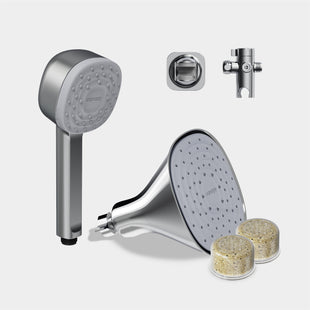
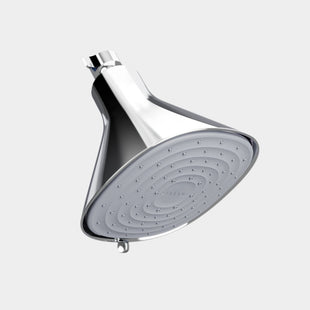
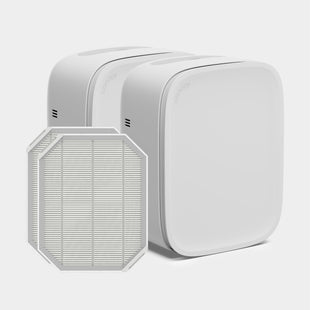
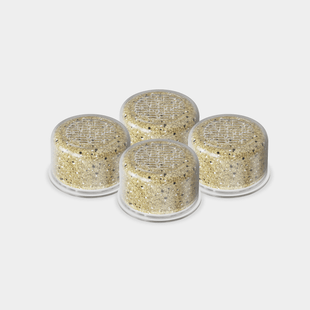
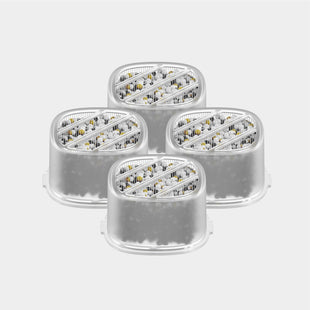
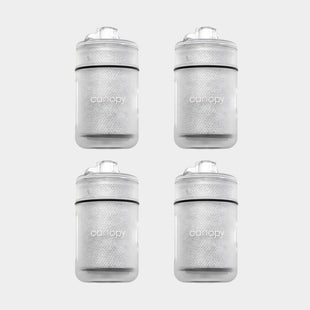
While the products you use during and after bathtime are important for keeping your baby healthy and safe, the water you bathe them with is also a key component of the best possible bathing experience. The Canopy Filtered Showerhead uses a proprietary tri-media filter, which has been shown to reduce chlorineand other contaminants* for cleaner water that supports healthier skin. Babies have delicate skin, so filtered, gentler water can be a comforting upgrade for bathtime.
* - The ingredients in our filtering media have been shown to help reduce chlorine, magnesium, calcium carbonate, iron, hydrogen sulfide, mercury, chromium, and chloramine. Tested to ANSI/NSF 177 Standard.
In addition to reducing contaminants, Canopy also offers the ultimate flexibility for busy parents and caregivers. The Baby Bath Tub Filter is an excellent choice for tub time, with a built-in cover that installs easily on your spout without the need for tools or permanent plumbing alterations.
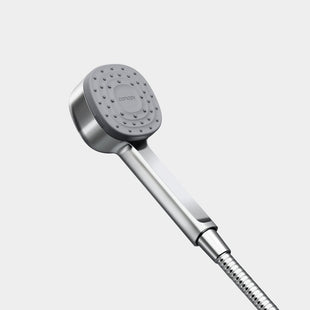
For gentler showers, our showerheads are easy-to-install and suit a wide range of bathrooms, even if you're renting. Choose between our original fixed model, the compact Mini Filtered Shower Head, and the Handheld Filtered Showerhead for the ultimate control over water direction and intensity for tear-free shampooing.
If you’ve already gotten your shower routine down with settings that work for you and your little one, the Canopy family of bath and shower filters will make those special moments even more enjoyable. And with bundles and subscriptions available for filters, you can take replacement orders off your to-do list.
FAQ
What temperature should bath water be for a baby?
Lukewarm water for babies’ baths, as higher temperatures could be unsafe or irritate their sensitive skin. Aim to keep the water temperature at a maximum of 99° Fahrenheit, using a bath thermometer to monitor and control as needed.
Is it safe to bathe with a baby?
The right precautions make co-bathing with a baby as safe as possible, including keeping the water shallow, maintaining a lukewarm temperature, and keeping the baby’s head above water the entire time. Additionally, having another adult present to take the baby to and from the tub so you can enter and exit independently will reduce the risk of slips, as will having anti-slip mats both in and around the tub or shower.
Is filtered water better for a baby’s bath?
Filtering your bath water helps reduce chlorine and other common contaminants, so bath time can feel gentler on your little one's delicate skin.
When can you start bathing with your baby?
You may begin to bathe with your baby once their umbilical cord stump has fallen off. To shower with your baby, it’s best to wait until they’ve achieved head and neck control independently.
Sources:
- Youngs, O. (26 August 2016). 7 Hacks for Co-Bathing With A Newborn. Romper. Retrieved September 10, 2026, from https://www.romper.com/p/7-hacks-for-co-bathing-with-a-newborn-16959
- Lake, K. When Can My Baby Go in the Shower? Baby Center. Retrieved September 10, 2026, from https://www.babycenter.com/baby/bathing-body-care/when-can-my-baby-go-in-the-shower_1368466
- Durbin, K. (7 April 2021). Co-Bathing: A Useful Technique to Restart Breastfeeding. La Leche League. Retrieved September 10, 2026, from https://llli.org/news/co-bathing-a-useful-technique-to-restart-breastfeeding/