









Nothing interrupts a good day quite like sneezing, congestion, and irritated eyes. These common seasonal allergy symptoms happen when the body reacts to everyday triggers like dust and pollen. When allergies start to affect your routine, it helps to understand what's driving them and how your environment plays a role. In this guide, we break down how seasonal and indoor allergens affect air quality and share practical ways to keep your space feeling fresh year-round.
Why Allergy Symptoms Change Throughout the Year
The weather can influence many aspects of our lives, including seasonal allergy symptoms throughout the year. Pollen levels rise in spring and summer, and allergy season often peaks in fall as trees, grasses, and weeds take turns pollinating, while indoor allergens like dust and pet dander become more noticeable in the colder months. Day-to-day conditions also play a role, since warm, windy weather tends to increase pollen in the air1.
Fortunately, you still have some control over how you feel. If you've ever noticed you don't react as strongly on damp or rainy days, that's because of humidity. The extra moisture helps weigh down small particles so they settle instead of floating freely, while also soothing nasal and respiratory passages that can feel irritated during flare-ups.
Why Outdoor Allergies Matter When You're Inside

Outdoor Allergens Follow You Home
Outdoor allergens don't stay outside. Pollen can continue triggering symptoms long after exposure, and even a quick trip out can bring it back in on your clothes or hair. Because these particles are so small, they can also drift in through windows, doors, and small openings, settling into fabrics and surfaces over time.
Indoor Allergens Exist Year-Round
Indoor particles like dust mites, mold, and pet dander are also unavoidable and can affect you year-round, especially if you're already sensitive to allergens. In the winter, dry indoor air can make things worse by keeping particles suspended longer and irritating your airways, which helps explain why seasonal allergy symptoms can persist even when you're inside2.
What to Do About Allergies at Home
Control Humidity
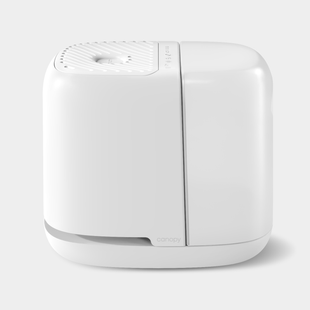
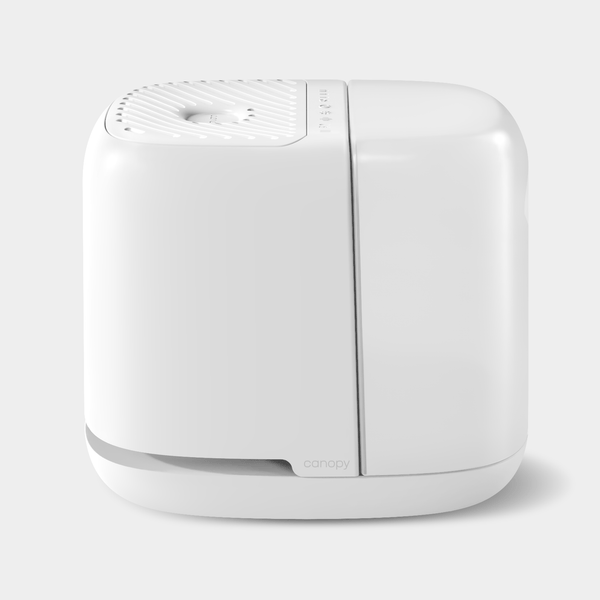
Getting a humidifier for allergies can be a simple way to improve comfort at home. Balanced humidity helps weigh down airborne particles, so they settle instead of circulating, while also soothing the nasal and respiratory passages that tend to feel irritated during flare-ups.
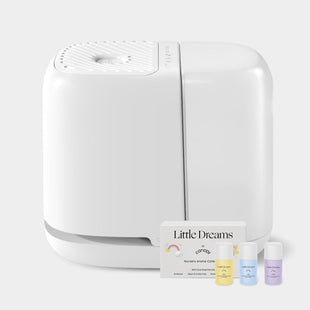
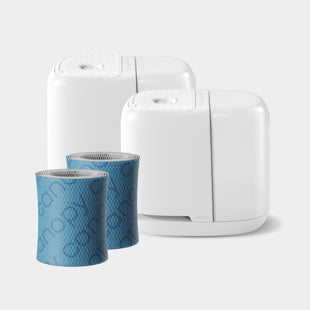
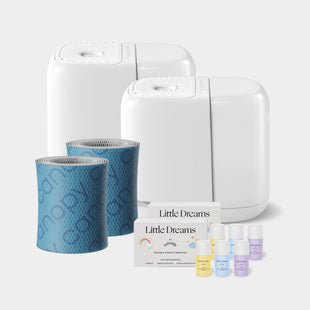
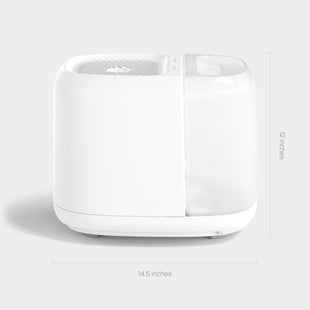
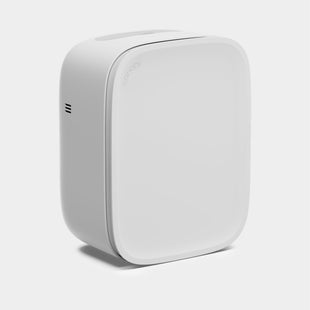
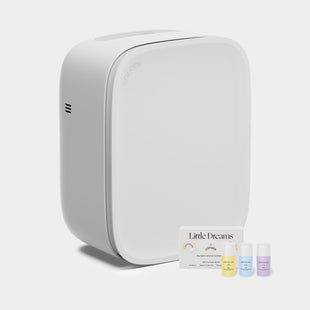
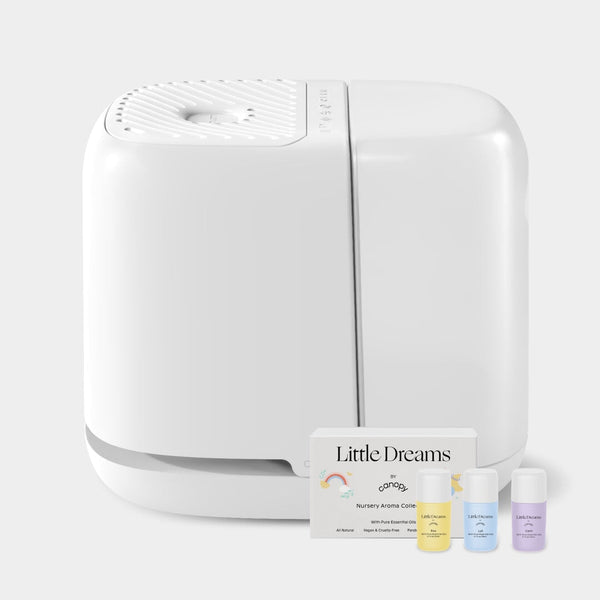
Our Bedside Humidifier 2.0 releases clean, invisible moisture with no visible mist or residue, and its antimicrobial filter helps capture dust and waterborne contaminants before they ever reach the air. Smart Persistent Airflow technology uses sensors and UV light to keep the fan running as long as water is detected in the unit, reducing the likelihood of mold growth*.
* - Humidifier does not treat air; inhibits mold growth in device & filter. Third-party testing shown to inhibit growth of Aspergillus niger (commonly known as Black Mold) based on standard GB/T 23332-2018 comparing mold growth in humidifiers with and without Smart Persistent Airflow.
Stay Inside
Staying indoors during dry, windy days is one of the best ways to manage seasonal allergy symptoms. These conditions can make the air feel harsher on your nasal passages, leaving you more sensitive to triggers. Checking the weather and air quality each morning can help you time your day more intentionally and reduce the impact of seasonal allergens.
Remove Clothing
When you do spend time outdoors, small habits can make a difference once you're back inside. Taking off shoes at the door and changing out of outer layers helps prevent allergens from traveling through your space. Keep a laundry hamper close to the door for other layers of clothing if you have the space.
Clean Frequently
Dust and pet dander naturally build up in the background of everyday life, even when a space looks clean. Wiping surfaces with a damp cloth helps trap particles instead of sending them back into the air. Dusting before vacuuming also helps ensure particles are fully removed from your floors and fabrics.
Get an Air Purifier
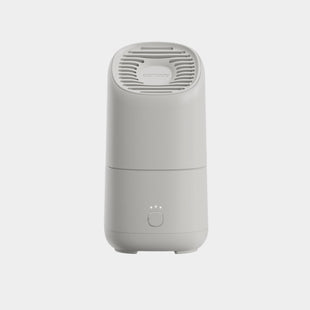
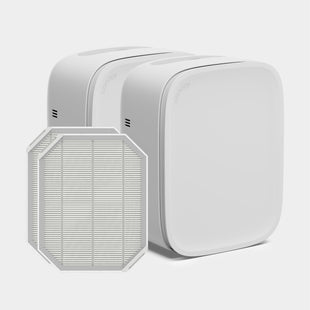
During fall allergies, when outdoor triggers like ragweed are more prevalent, an air purifier can help create a more comfortable indoor environment. An air purifier works by continuously pulling in air, filtering out common allergens, and releasing cleaner air back into the room. Our Bedside Air Purifier uses multistage HEPA-13 filtration to capture up to 99.97% of airborne particles as small as 0.3 microns, including dust, pollen, smoke, and pet dander.
* - Tested to ISO 29463 standards
Change Air Filters
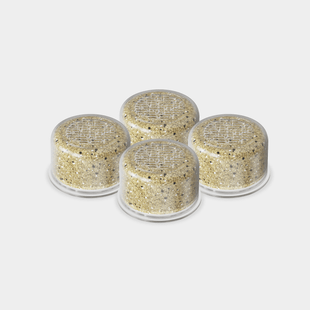
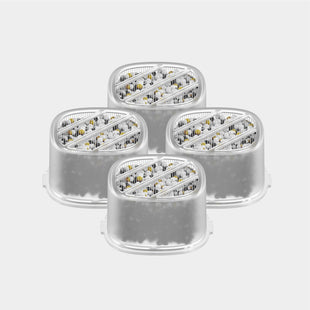
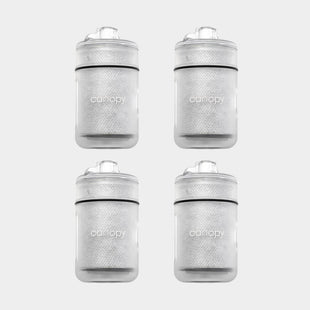
Air systems like air conditioners, air purifiers, and humidifiers for allergies only perform well when properly maintained. Over time, dirty filters can start to recirculate dust and other particles instead of capturing them. We make it easy to keep Canopy Air Purifier filters handy, with subscriptions available with device purchases and individual and bundled filters available. Our filters are designed to be replaced every 6 months, so your device keeps working as intended and provides consistently cleaner air at home.
Improve Seasonal Allergy Symptoms With Canopy
Managing allergies starts with your environment. Whether you're dealing with spring pollen or year-round indoor triggers, the Canopy Bedside Humidifier 2.0 and Bedside Air Purifier make it easier to create a home environment that feels as good as it looks. Explore Canopy's bestsellers to find the products that will help you breathe easier and feel more comfortable all year long.
Sources:
- (28 December 2017). Seasonal Allergies. American College of Allergy, Asthma & Immunology. Retrieved April 29, 2026, from https://acaai.org/allergies/allergic-conditions/seasonal-allergies/
- Cassata, C. and Chesak, J. (22 April 2020). Why Is My Hay Fever Acting Up? I'm Stuck Indoors. Healthline. Retrieved April 29, 2026, from https://www.healthline.com/health-news/why-is-my-hay-fever-acting-up-im-stuck-indoors


