











Every house or apartment has a unique scent that makes it feel like home. But when bad odors creep up seemingly out of nowhere, that comforting smell can turn downright unpleasant—especially if you live in a smaller house or an apartment.
Bad odors can have temporary sources (like forgotten leftovers in the fridge), but they can also be an indication that something is affecting the air quality of your home. There are many causes of poor indoor air quality and unpleasant smells. If you can locate the source and address the issue, you can improve the air quality in your home and help your family breathe easier.
Common Causes of Poor Indoor Air Quality
What causes poor indoor air quality and bad odors? While using your nose as a guide won’t be the most pleasant experience, it’s bound to help you locate the source in your home. Below are some of the most likely culprits.
Mold and Mildew
If you’re picking up a damp or musty smell, especially in areas of the home that get a lot of moisture, you might be dealing with a mold problem. Mold can grow in showers and tubs, wet cardboard boxes in the basement, and even a pile of damp clothes. There are many different types of mold, and some are more difficult to get rid of than others.
According to the EPA, the only true-fire way to get rid of mold growth is by addressing the source of the moisture and improving ventilation in your home1. Clean up the mold, address any leaks or water problems, and improve ventilation in areas with little airflow.
Pet Odors
Your furry friend is a beloved part of the family, but sometimes, they can stink up the room. Wet fur, “accidents” on the carpet or furniture, cat litter, and bad smells brought in from outside (like skunks or trash) can leave lingering odors indoors.
In these instances, cleaning is key. If your pet is the problem, give them a bath and consult your veterinarian for product recommendations if the scent sticks. Keep litter boxes clean and locate accidents as soon as possible to scrub the affected area thoroughly.
Garbage

Trash usually starts to smell after a week, but depending on the food you’re throwing out, it might happen sooner. Old fruit and vegetables, fish, rotten eggs, and other particularly strong-smelling foods can quickly create a foul odor that keeps people out of the kitchen.
Once your trash starts to smell, it’s time to take it out. Be sure to wipe down the inside of the can to pick up any spills or residue. If the odor persists, try sprinkling some baking soda in the can. The chemicals in baking soda neutralize acidic odors2, giving you a simple tool for home odor elimination that you likely already have in your kitchen.
Carpeting, Curtains, and Furniture
Sometimes, soft materials like mattresses, upholstered furniture, and curtains can absorb odors from pets, bacteria, cooking, and other sources over the years. These lingering smells can leave your living room and bedrooms with a musty scent. Steam-cleaning and odor-eliminating sprays are a good way to get these parts of your home smelling fresh again.
How Can I Improve Air Quality in My Home?
Keeping your home clean and staying on top of messes helps your home stay fresh and odor-free. Here are our top home odor elimination tools and tips.
Cleaning Products
Your first line of defense against poor air quality and bad home odors is routine cleaning. Clean spills quickly, wipe down surfaces often, and vacuum regularly. Using household disinfectants containing ingredients like bleach or alcohol kills the bacteria that create unpleasant odors, providing the deep clean your home needs to banish bad smells.
To check if your cleaning products are effective, look for an EPA registration number on the label. These products have been tested by the EPA and are proven to kill germs3.


Improve Airflow
Sometimes the best solution for a smelly room is some fresh air. Check the weather for a nice day with an Air Quality Index (AQI) of 50 or lower, which represents good air quality with low pollution4. Opening your windows for just a few minutes a day allows stale air to circulate out of the house. Setting up fans to push indoor air out can help speed up the process.
Set Up Air Purifiers
Air purifiers not only help tackle unpleasant smells, but they also help improve air quality in the home. When sized for the right rooms and placed in a space with good airflow, these devices trap contaminants that cause bad odors and poor air quality in your home, such as dust, dander, pollen, and smoke.
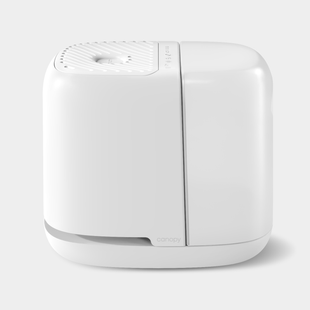
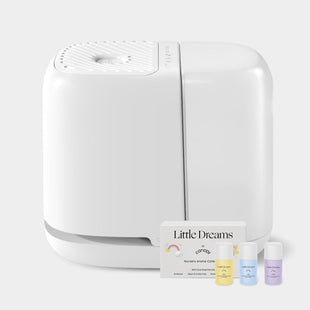
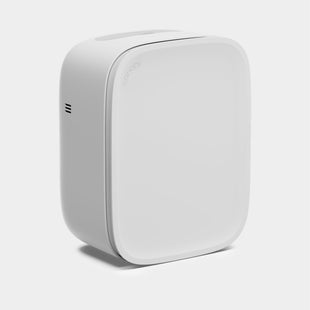
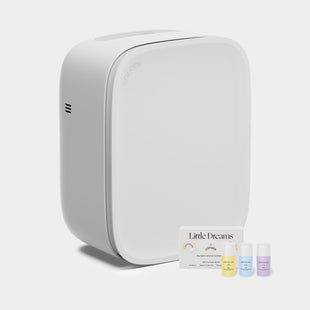
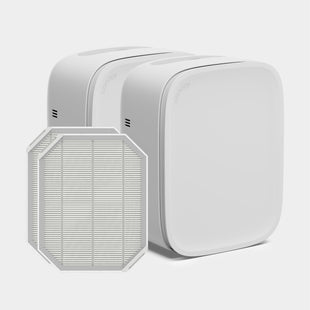
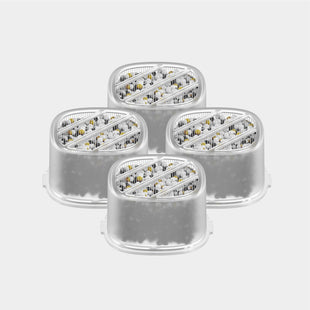
We’ve made air care sleeker, smarter, and more powerful, so your family can breathe in cleaner air. Canopy’s air purifier is thoughtfully designed with whisper-quiet multistage HEPA-13 filtration, which captures up to 99.7% of airborne particles as small as 0.3 microns*. It even comes equipped with a smart sensor that monitors air quality in real-time.
* - Tested to ISO 29463 standards
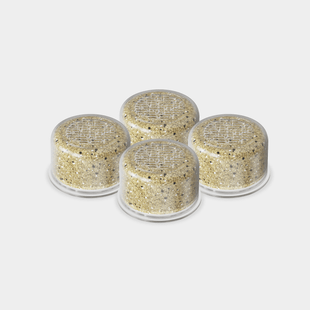
The built-in diffuser allows you to fill your space with your favorite aromatherapy, without adding moisture to the air. With mess-free filter changes and a design compact enough to fit anywhere, it’s never been easier to freshen up your home.
Sources:
- (27 March 2025). A Brief Guide to Mold, Moisture and Your Home. United States Environmental Protection Agency. Retrieved October 14, 2025, from https://www.epa.gov/mold/brief-guide-mold-moisture-and-your-home
- Wellbank, L. (4 October 2025). How to Use Baking Soda to Absorb Odors (Plus, the Science of Why It Works). Martha Stewart. Retrieved October 14, 2025, from https://www.marthastewart.com/7841356/baking-soda-absorb-odor-facts
- Heger, E. (5 April 2020). The best disinfectants for viruses and which ingredients to look for. Business Insider. Retrieved October 14, 2025, from https://www.businessinsider.com/reference/best-disinfectants-for-viruses
- Air Quality Index (AQI) Basics. AirNow. Retrieved October 14, 2025, from https://www.airnow.gov/


