






If you or someone you know enjoys cooking for loved ones, you know those meals made to comfort, nourish, and delight can sometimes cause lingering odors. All too often, the methods of cooking, gas stoves, highly spiced foods, oils, and certain proteins like seafood combine to leave homes smelling unpleasant1. Add other common culprits, like poor sanitation practices and maintenance of appliances, garbage disposals, and last night’s trash, and that stinky air can affect how you feel2.
At Canopy, we believe air care is self-care, so we’re here to help home cooks create a more comfortable environment so they can produce their most delectable Insta-worthy meals yet with the best air purifiers for kitchen odors. Last night’s dinner shouldn’t be today’s living room scent.
What to Do About the Common Causes of Kitchen Odors
Mitigating lingering kitchen smells requires a multi-pronged approach. Strategic cooking practices, deep cleaning, proper ventilation, natural odor absorbers, and adding the best air purifiers for the kitchen will go a long way toward creating a warm, welcoming space for cooks and their guests3.
Use Mindful Cooking Techniques
Cover pots & pans and use splash guards when cooking with oil to contain odors and droplets. Using canola or vegetable will cut down on smoke since they have much higher smoke points than fats like butter or olive oil4. Match your cookware to both the size of the task at hand and the burner. If cooking with gas, keep the flame below the bottom of the pan, whenever possible, to reduce emissions5.
Maintain, Clean, & Strategically Use Ventilation Systems
If range hoods and exhaust fans are vented outside and cleaned regularly, they can substantially reduce the duration of cooking smells and redirect airborne particles outdoors6. Opening windows & utilizing ceiling fans adds to their efficacy.
Stop Kitchen Odors Before They Start

Preparing and storing food can also contribute to unpleasant kitchen smells—but there are simple preventative steps you can take every day.
Your fridge should be set to 40° F or below to preserve fresh produce, dairy products, and leftovers properly. If that temperature gets too warm, your food will go bad faster and create odors7.
Keep a bowl of baking soda out while cooking, sprinkle some in your trash can, and put a small bowl in the fridge to help neutralize smells. If you have a garbage disposal, drop in a few lemon peels to decrease smells and cut through any grease buildup7.
Kitchen scraps, fried foods, and remnants cleaned off your dishes need to be thrown out each time you cook, or you risk the unfortunate smells of those ingredients breaking down in real time.
Clean and Sanitize Surfaces Regularly
Rinsing and wiping are insufficient for removing grime that can start to stink. Cleaning all areas—including the entire sink basin, countertops, and under appliances—with hot, soapy water and scrubbing with baking soda or white vinegar will help neutralize odors.
Add an Air Purifier to Your Kitchen
Cleaning the air matters just as much as cleaning your counters. By capturing airborne particles before they have a chance to settle into fabrics or linger in the air, an air purifier can help prevent odors from permeating your home8.
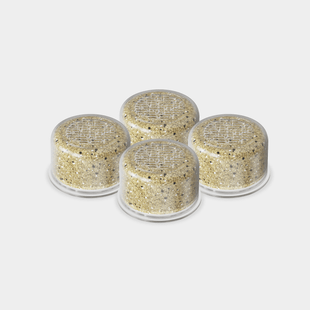
Devices that utilize both HEPA filters and activated carbon capture airborne particles from cooking and absorb odor molecules, including those from charred food, smoke, grease, and spices. They can also help with garbage smells and volatile organic compounds (VOCs) from chemical cleaners9. Without a strong carbon stage, even the best air purifiers may fail to remove odors and gases10.


Tips for Air Purifier Placement
For the best results, adding an air purifier in strategic locations in combination with range hoods, exhaust fans, open windows, and the other tips above, will help you give your air a glow up with Canopy’s best air purifiers for cooking odors:
- Place Near Cooking Areas: The ideal location for your air purifier is on the countertop next to the stove or on a kitchen island nearby so it can capture emissions and pollutants before they disperse, preventing them from spreading throughout your home 11.
- Place Near Garbage Areas: Putting your air purifier beside or above trash or compost bins helps neutralize unfortunate smells and quickly reduces airborne particles from refuse.
- Place Near Ventilation Sources: The importance of ventilation is clear. Keeping air purifiers near range hoods, opening windows, and turning on ceiling fans helps your kitchen ventilation system function better.
- Keep Away From Obstacles: Placing air purifiers at least a few inches away from walls, furniture or anything else that may impede proper functioning ensures fresh air is drawn into the system and circulated 11.
Wellness is in the air—and Canopy’s air purifiers are a home cook’s best ally in creating a joyful kitchen that’s home to memorable meals for years to come.
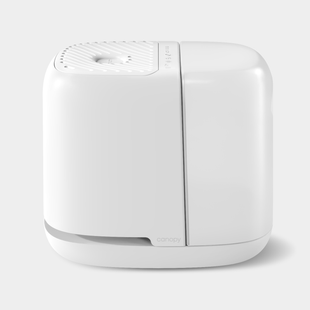
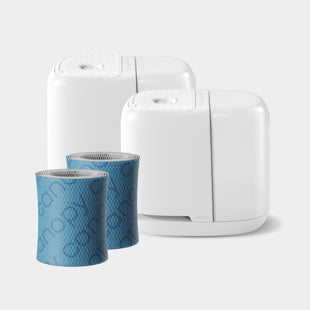
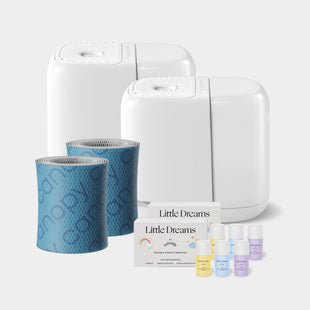
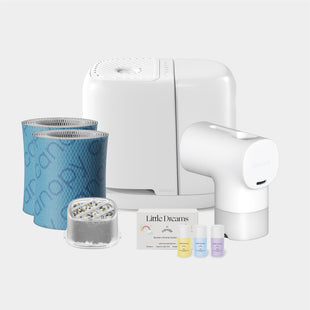
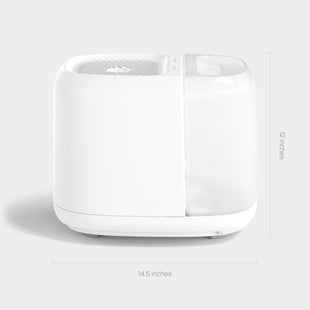
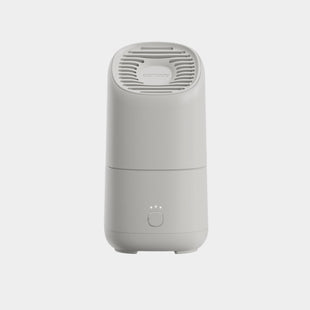
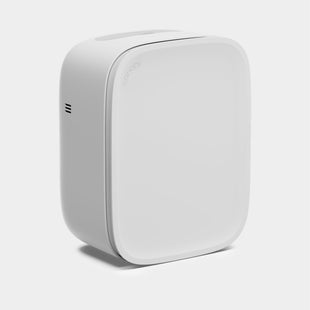
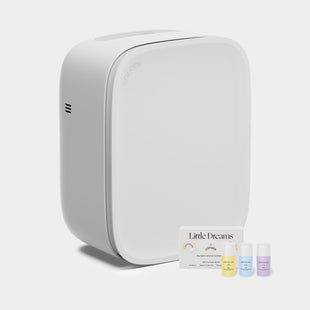
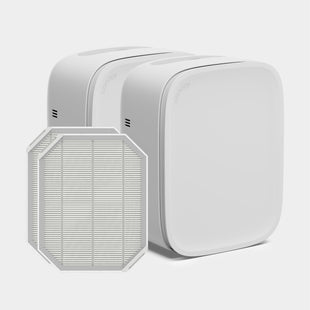
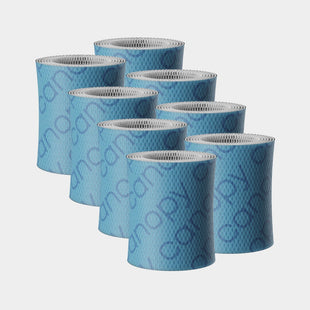
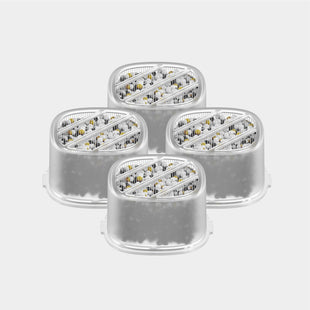
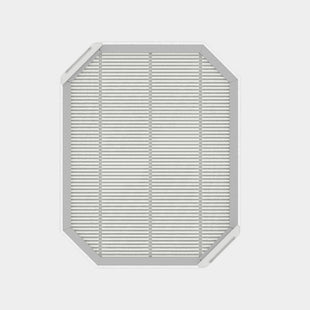
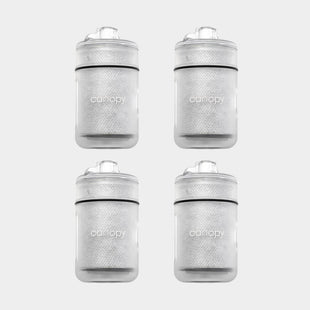
Our air purifiers utilize multi-stage HEPA filtration that captures up to 99.97% of airborne particles as small as 0.3 microns*. Our Bedside Air Purifier is truly a helper throughout the house; with the powerful combination of our pre-filter, HEPA 13, and activated carbon layers, and smart sensor technology that automatically detects and adjusts to your home’s air quality. Canopy’s designs are among the best air purifiers for cooking smoke and other lingering odors, and its compact size means it’s easy to reposition anywhere your home needs a little extra attention. Your nose will thank you.
* - Tested to ISO 29463 standards
Sources:
- Cooking up a storm: the lesser known impact of cooking on air quality. Dyson. Retrieved November 10, 2025, from https://www.dyson.com/discover/insights/air-quality/indoor/impact-of-cooking-on-air-quality
- Lauren, A. (3 June 2025). 8 Reasons Your Kitchen Smells Bad — and How to Freshen It Up ASAP. Real Simple. Retrieved November 10, 2025, from https://www.realsimple.com/reasons-your-kitchen-smells-bad-11747371
- Vander Berg, M. (27 March 2025). Lingering Kitchen Odors: Causes, Prevention, and Solutions. AirPurifiers.Com. Retrieved November 11, 2025, from https://airpurifiers.com/odor/lingering-kitchen-odors-causes-prevention-and-solutions/
- (1 September 2025). Do Air Purifiers Help with Kitchen Smells? Yes but How? Sim Pure. Retrieved November 10, 2025, from https://www.simpurelife.com/blogs/blogs/do-air-purifiers-help-with-kitchen-smells
- (3 May 2024). How to Improve Indoor Air Quality While Cooking, Even Without a Range Hood. Association of Home Appliance Manufacturers. Retrieved November 10, 2025, from https://blog.aham.org/how-to-improve-indoor-air-quality-while-cooking/
- Kitchen Ventilation: Is My Cooking Affecting the Air In My Home? Kleen Breeze. Retrieved November 10, 2025, from https://whatrubreathing.com/kitchen-ventilation-is-my-cooking-affecting-the-air-in-my-home/
- Abramson, A. and Billock, J. (19 November 2024). 12 Ways to Prevent (and Get Rid Of!) Cooking Smells in Your Entire Home. Apartment Therapy. Retrieved November 11, 2025, from https://www.apartmenttherapy.com/how-to-get-rid-of-cooking-smells-36607477
- (22 August 2016). How To Reduce Cooking And Household Odors With An Air Purifier. IQ Air. Retrieved November 11, 2025, from https://www.iqair.com/us/newsroom/how-to-reduce-cooking-and-household-odors-with-an-air-purifier
- Steger, J. (12 August 2024). 7 Types of Smells You Can Get Rid of With an Air Purifier. Alen. Retrieved November 10, 2025, from https://alen.com/blogs/health-benefits/do-air-purifiers-help-with-smell
- (4 July 2025). Home Kitchen Air Purifiers Odors: Cooking Creates Indoor Air Pollution. Coway. Retrieved November 11, 2025, from https://cowaymega.com/blogs/blog/home-cooking-creates-indoor-air-pollution
- Di Mizzurati, S. (29 June 2024). Where to place an air purifier in a kitchen — for the fastest and freshest results. Home & Gardens. Retrieved November 11, 2025, from https://www.homesandgardens.com/solved/where-to-place-an-air-purifier-in-a-kitchen


