









A bedroom is meant to feel like a place to rest at the end of the day. But sometimes, even the most thoughtfully kept space can hold a lingering stale note. Bedroom odors are more common than most people realize, and understanding where they come from is the first step to restoring that clean, cozy feeling your home should have. Before you reach for a scented candle, here's a closer look at how to get rid of bedroom odors and create a space where it's easier to relax.
Why Does My Room Smell?
Whether it's a faint mustiness or a lingering odor, smells in your home usually build up over time from everyday habits, hidden moisture, dry indoor air, and air that isn't circulating the way it should. Mold and mildew thrive in damp, dark areas around sinks, showers, and toilets, creating an unmistakable musty smell even when it isn't visible.
At the same time, dry air can lower air quality, since there's less moisture to help weigh particles down and move them out of the space. When fresh air isn't circulating, mildew odors and particles like dust, pet dander, pollen, and smoke become trapped and settle into nearby fabrics and surfaces1.
Sometimes, the source is less obvious. Clogged drains, forgotten food containers, or small spills can harbor bacteria that slowly release unpleasant smells into your space. Damp towels, workout gear, and overflowing hampers also create the perfect environment for odors, especially in connected baths and closets where airflow is limited.
Luckily, once you know what's causing the odor, it's much easier to restore that clean, comfortable feeling your room should have.
Effects of Common Household Contaminants![]()

While musty or stale odors are often the first sign that something's off, not all air issues announce themselves. Many household contaminants are invisible, and over time, these pollutants can build up indoors—especially in rooms with limited airflow—making your home feel less fresh and affecting how your space feels.
Everyday living introduces a mix of airborne particles into your space. Dust is usually a combination of pet dander, pollen, mold spores, and microscopic debris that settles on floors, furniture, and corners. Heating systems, fireplaces, and candles also release fine particles into the air, while common household products like cleaners, air fresheners, paints, and dry-cleaned clothing may emit gases that linger long after use2. Together, these particles and gases can make the air feel heavy or carry subtle odors that build up over time.
Some pollutants are more obvious and problematic. For example, secondhand smoke clings to fabrics, carpets, and clothes, creating odors that are hard to ignore and making a room feel less fresh. Carbon monoxide is completely odorless but even more toxic, which is why detectors are required in most homes. This is a good reminder of how the air we breathe directly affects how safe and comfortable our space feels.
When left unchecked, poor indoor air quality from these sources can impact how a room smells and contribute to irritation, discomfort, and long-term health concerns, especially for children and those with respiratory sensitivities3. Even when contaminants aren't visible or noticeable right away, having clean, well-circulated air is an important part of everyday comfort.
How to Get Rid of Bedroom Odors
Once you understand what's behind an unwanted smell, the first step is always identifying the source. Sprays and candles aren't permanent bedroom odor eliminators, but a quick clean goes a long way. Regular dusting and cleaning the floors helps prevent particles from settling into fabrics and surfaces, while washing sheets, towels, curtains, and workout clothes regularly keeps odors from lingering. Even cracking a window for a few minutes every day can refresh stale air.
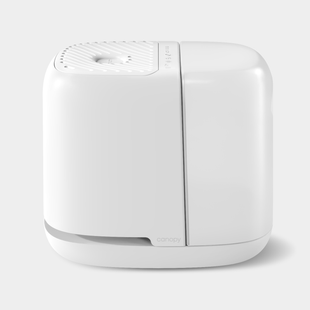
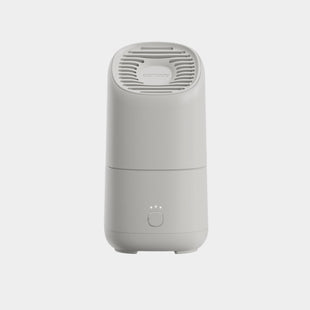
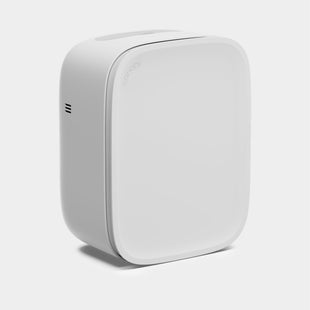
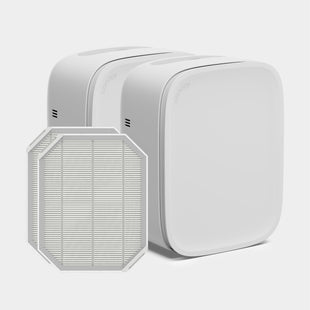
Besides cleaning, there are other small upgrades you can make to keep your bedroom feeling consistently fresh and turn it into a place that smells as good as it feels. The Canopy Bedside Air Purifier works in the background and uses multistage HEPA-13 filtration* to capture dust, dander, smoke, and other odor-causing particles as small as 0.3 microns, helping prevent smells before they settle in. Its compact design makes it easy to place right where you need it most while supporting fresher air night after night.
* - Tested to ISO 29463 standards
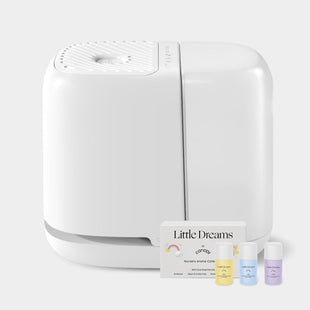
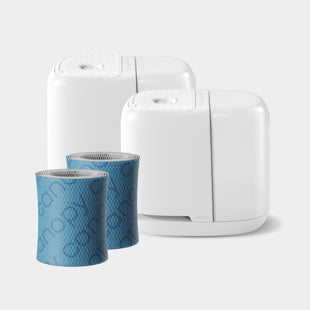
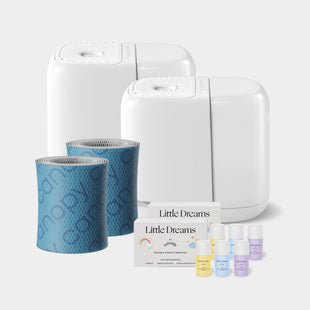
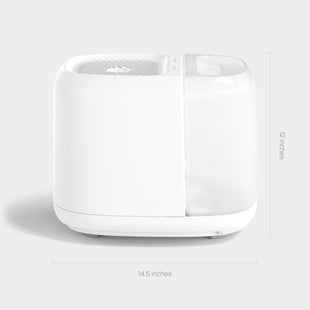
The All-in-one Humidifier & Air Purifier bundles the Bedside Air Purifier and Bedside Humidifier to help filter out what doesn't belong and support healthier humidity levels. By pairing purification with hydration, it helps maintain air that feels softer and more comfortable to breathe, while discouraging the dryness that can trap odors.
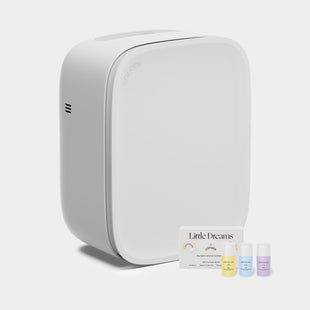
If scent is part of your self-care routine, all Canopy devices include an aromatherapy feature that allows you to subtly introduce essential oils*, layering in a calming aroma without overwhelming your space. Discover your favorite fragrance, and add an Aroma Diffuser to boost it for a more immersive scent experience.
* - Canopy applies commonly accepted clean standards for our aroma products which means they are made without parabens, phthalates, sulfates, mineral oils, or synthetic dyes. Canopy aroma products may contain both natural and synthetic substances, and are vegan, cruelty-free, and formulated with pure essential oils.
Make Your Bedroom Cozy With Canopy
A bedroom should feel calm, comfortable, and effortlessly fresh. With Canopy's thoughtfully designed Air Purifiers, Humidifiers, and the all-in-one Wellness Tower, maintaining clean, balanced air with subtle, elevated fragrances becomes your favorite part of the day. Because when your air feels clean and cozy, your bedroom becomes the retreat it was always meant to be.
Sources:
- Mold. University of New Hampshire. Retrieved February 6, 2026, from https://www.unh.edu/research/research/complianceehs/environmental-health-safety/industrial-hygiene/mold
- (16 December 2025). Household air pollution. World Health Organization. Retrieved February 6, 2026, from https://www.who.int/news-room/fact-sheets/detail/household-air-pollution-and-health
- (26 September 2024). Mold. Centers for Disease Control and Prevention. Retrieved February 6, 2026, from https://www.cdc.gov/mold-health/about/index.html


