













It's no secret that indoor air quality in dense urban areas can be a problem. New York City air quality, for instance, is among the worst in the U.S 1. Traffic and low-speed driving increase emissions, making the environment difficult to navigate for many, particularly during heat waves.
Add industrial sources of pollution and natural sources (like wildfires), all of which increase particulate matter in the air, which can enter your home through open access points. Urban areas can become uncomfortable, particularly with prolonged exposure 2. There is, however, a light at the end of the tunnel. Keep reading to understand the impact of air quality and circulation issues on city dwellers who live in apartments.
Why Is Indoor Air Quality Important?
While we're all looking for how to improve air quality in cities — aside from driving less and making eco-friendly choices with our purchasing power, many factors are beyond our control at the individual level.
However, we can focus on our indoor air quality. According to the EPA, we spend about 90% 3 of our time indoors. It's time to rethink what we’re breathing in at home. Polluted outdoor air can enter indoor spaces through poor ventilation systems, improperly installed outdoor air intakes, or maintenance activities. Windows and cracks in buildings also allow dirty air to settle in apartments. Pollen, dust, and fumes from paint and personal care products also contribute to indoor air quality 4.
What Affects Air Quality in Apartments?

Ventilation systems in multi-unit residential buildings are like a highway for dirty air. They can move dirty air from one apartment to another via ductwork and open vents. Cracking windows can also draw in contaminants.
Common contributors to poor indoor air quality are:
- Particulate air pollution, including dust and secondhand smoke
- Volatile organic compounds (VOCs), which are airborne chemicals found in household cleaners, paints, varnishes, cosmetics, and cooking oils
- Pollen and pet dander
According to the EPA, indoor concentrations of some pollutants have skyrocketed in recent years as more buildings are built for energy efficiency and may lack sufficient mechanical ventilation 4.
The good news is that there's a lot you can do to improve indoor air quality, and research shows reducing particle pollution in your home supports well-being, promotes more comfortable breathing, and offers peace of mind for you and your loved ones 5.
How to Improve Air Quality at Home
While we can't control what happens outdoors, there are some simple steps that can help you breathe more comfortably indoors:
- Monitor air quality: Various apps provide real-time air quality information to help you decide when to open windows for ventilation 6.
- Let in fresh air: When outdoor air quality is favorable, opening windows allows for proper ventilation, helping circulate contaminants out of your home.
- Regularly replace HVAC filters: Change them at least once every six months to prevent dirty air from recirculating in your home.
- Use air conditioning best practices: The AC helps filter air, but only if your air filter is clean. If you have window units, make sure the seal between them and the windows is tight. Close the outdoor damper during hazardous conditions.
- Clean, dust, and vacuum regularly: Regular dusting and vacuuming reduce the accumulation of allergens and debris on baseboards, in corners, and on rugs and carpets.
- Have the ventilation checked on a gas stove: The stove releases emissions directly into the home, so a professional should routinely examine the appliance 6.
- Avoid items that release smoke: Burning candles, incense, fireplaces, and wood stoves increase particulate matter in the air from smoke and soot.
- Avoid air fresheners & cleaners: Opt for natural alternatives when possible.
- Add plants to your space: Think of houseplants as natural filters. They absorb carbon dioxide and release oxygen. Certain plants, such as snake, pothos, and spider plants, do an excellent job at reducing common indoor pollutants like formaldehyde and benzene 6.
- Invest in an air purifier: The devices trap harmful airborne particles and smelly odors that affect indoor air quality. Select a portable, compact air purifier with HEPA filtration and place it in an ideal spot to maximize its benefits7.
- Think about seasonal concerns: In the winter, byproducts from fireplaces and dust from heating ducts can affect indoor air quality. To maximize comfort, run an air purifier and a humidifier at the same time. The air purifier takes care of contaminants. Meanwhile, the humidifier addresses relative humidity concerns caused by the drying effect of central heating and radiator heat. Running a humidifier at the same time as an air purifier is also a good idea because the air purifier can make interiors feel drier.
Added moisture to the air weighs down airborne allergens, keeping your family from feeling under the weather.
Why Choose Canopy?
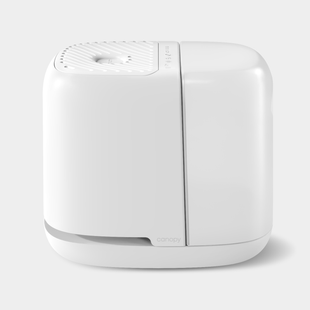
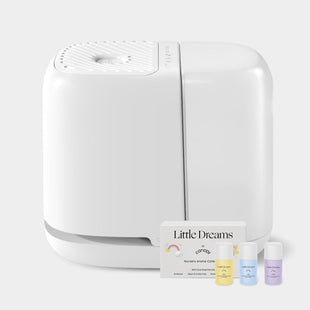
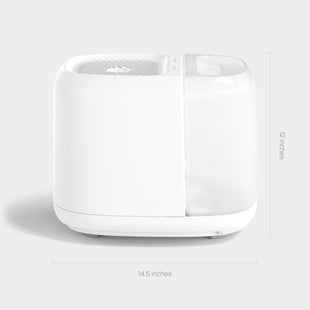
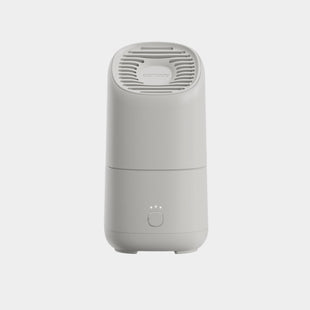
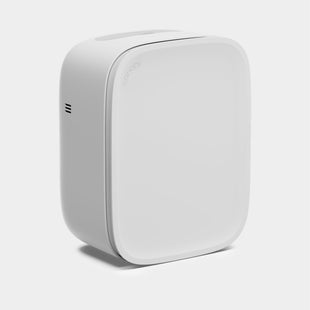
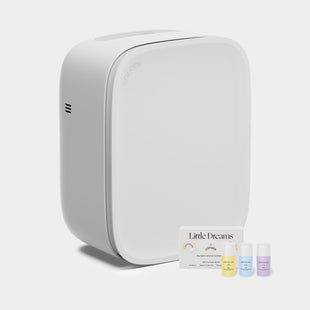
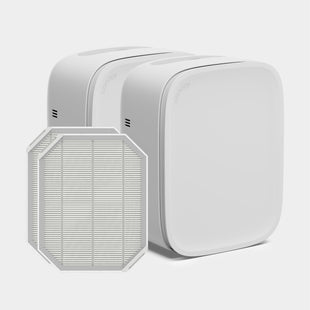
Canopy's humidifiers and air purifiers are designed to meet your home's comfort needs. The new Bedside Air Purifier boasts a sleek, compact design with multi-stage HEPA filtration that captures up to 99.97%* of airborne particles as small as 0.3 microns, and even comes with a gentle night light and clean aroma diffusion.
The Wellness Tower brings our Bedside Humidifier and air purifiers together for filtered, hydrated air without the clutter. The combined devices can run from a single power source with a reduced footprint, so get the comfort and wellness benefits you want without compromising on style.


*Canopy applies commonly accepted clean standards for our aroma products which means they are made without parabens, phthalates, sulfates, mineral oils, or synthetic dyes. Canopy aroma products may contain both natural and synthetic substances, and are vegan, cruelty-free, and formulated with pure essential oils.
Sources:
- (12 October 2021). Emissions, Air Quality, And Heat In Urban Areas. Climate Program Office. Retrieved October 16, 2025, from https://cpo.noaa.gov/emissions-air-quality-and-heat-in-urban-areas/
- (15 May 2023). Urban air pollution: Causes, impacts, and solutions. Kunak Air. Retrieved October 16, 2025, from https://kunakair.com/urban-air-pollution/
- Improving Your Indoor Environment. United States Environmental Protection Agency. Retrieved October 16, 2025, from https://www.epa.gov/indoor-air-quality-iaq/improving-your-indoor-environment
- (23 May 2025). Indoor Air Quality in Apartments. United States Environmental Protection Agency. Retrieved October 16, 2025, from https://www.epa.gov/indoor-air-quality-iaq/indoor-air-quality-apartments
- Health Impact of Air Pollution. American Lung Association. Retrieved October 16, 2025, from https://www.lung.org/research/sota/health-risks
- Lippie-McGraw, J. (7 June 2023). How to Improve Air Quality in Your NYC Apartment. Street Easy. Retrieved October 17, 2025, from https://streeteasy.com/blog/how-to-improve-air-quality-in-your-nyc-apartment/
- Heins-Nesvold, J. (31 August 2023). Let the Air In: Low-cost ways to improve your air quality. American Lung Association. Retrieved October 17, 2025, from https://www.lung.org/blog/indoor-air-quality-improvements


