













Dry air could be making your snoring worse. Discover how a Canopy humidifier helps reduce snoring by keeping your airways moisturized while you sleep.
We know that a good night’s rest is essential to our holistic wellness, but sleep is often anything but restful and rejuvenating for many of us. We may have trouble winding down from too much screen time or toss and turn due to stress or discomfort. Environmental factors—including street noise, kids, pets, snoring—and seasonal changes, like increased pollen and allergies, in the warmer months can also take their toll.
On top of these concerns, it’s easy to overlook the impact of humidity on both the amount of sleep you get and its overall quality. If you or someone you love snores a lot, the frustration and lack of sleep can be concerning for both of you. If you’re looking for help with snoring, Canopy is here to break down how low humidity levels might be a contributing factor, help you create a more serene bedroom environment, and optimize your routine so you can get the sleep you’ve been dreaming of.
Why Do People Snore?
Snoring occurs when air is unable to flow freely through the airways. When the airways are narrowed or partially blocked, the tissues in the upper airway vibrate. Causes can include a variety of factors, including anatomy, lifestyle habits—like alcohol use—sleep position, allergies, nasal congestion or inflammation, aging, hormonal changes, or underlying sleep disorders1. Add dry air to the mix, and you have the exact conditions that leave airways uncomfortable.
How Dry Bedroom Air Affects Snoring All Year
Cooler Seasons

In the colder months, not only is the air outdoors usually below the comfortable relative humidity range of 40–60%2, but indoor air is made even drier by running the heat. If you use a woodburning stove or fireplace, it's reduced even more, and you throw allergens and contaminants into the mix3.
With so much dry air, you’re also more likely to become dehydrated. All of this leads to irritated, inflamed, and swollen tissues, thicker mucus, mouth breathing, and ultimately, more obstruction4.
Warmer Weather
Though in many places, the outdoor humidity levels in summer climb dramatically, people rarely think about the fact that running a fan or an air conditioner nonstop also has a drying effect on indoor air. Snoring may also become more frequent in warmer months due to increased pollen and allergies, leading to mouth breathing, which dries out your throat and airways even more. Higher temperatures can lead to increased dehydration and inflammation, which also trigger snoring5.
How to Reduce Snoring & Create a Year-Round Sleep Sanctuary
Now that we’ve identified some of the root causes of snoring and the impact of dry air on sensitive nasal passages and sleep quality, you might still wonder: Does a humidifier help with snoring? The short answer is that it could, and Canopy is here to offer some easy ways to optimize your sleep environment, including adding our innovative, soothing humidifier for snoring, so you can get the best sleep possible:
- Set your thermostat between 61–68°F. Your body temperature needs to drop a few degrees to sleep, so keeping it in this range is ideal.
- Use high-quality, breathable bed linens for maximum comfort.
- Invest in quality pillows that elevate your head, which not only make things cozy but can help keep the airways open3.
- Sleep on your side. Sleeping on your back causes gravity to pull the tissues surrounding your airway downward, making it narrower, which causes increased snoring1.
- Drink plenty of water to keep your whole body, including those delicate nasal passages, hydrated. Good hydration helps keep the mucus from becoming too thick and causing blockages.
- Reduce alcohol consumption, particularly close to bedtime.
- Treat congestion with saline nasal sprays, neti pots, and/or take over-the-counter decongestants.
- Place a humidifier in your bedroom. By now, you know dry air can inflame your throat and nasal passages and exacerbate snoring during any season.
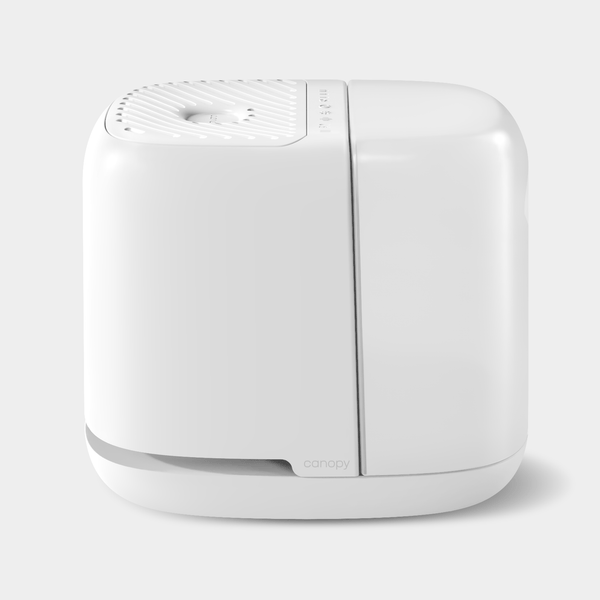
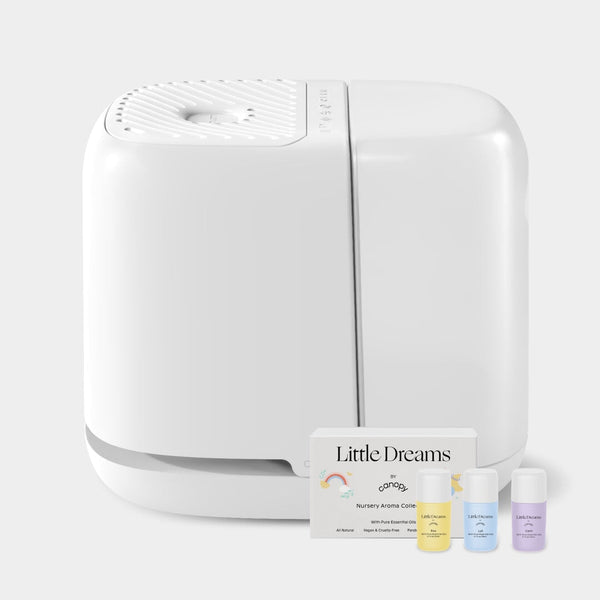
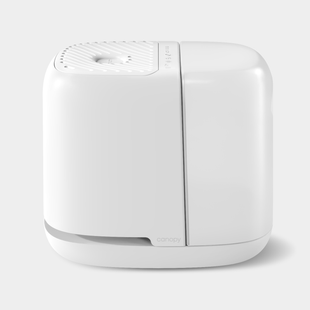
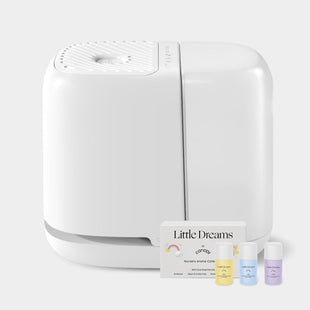
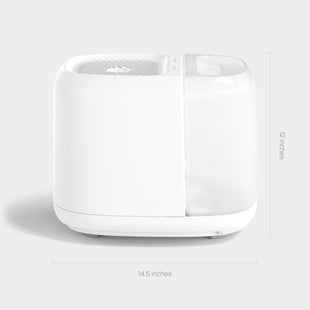
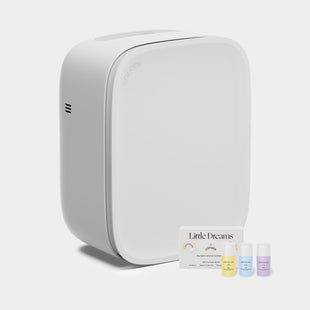
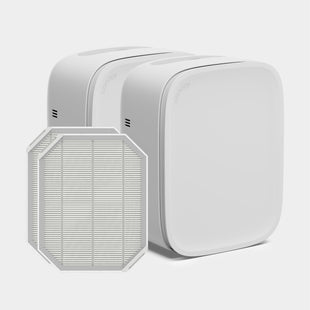
The best humidifier for snoring just might be our Bedside 2.0 Humidifier. Not only does it help you breathe and sleep more easily*, but it also helps you unwind with features like a soft nightlight, 3 soothing soundscapes, and light aroma diffusion to promote a calming environment. Its evaporative technology also provides filtered hydration without mist, mess, or condensation—designed to reduce contaminants for cleaner, hydrated air. As it turns out, Canopy’s humidifiers are the (not-so) secret ingredient to sweeter dreams.
* - 87% agree it promotes a better night's sleep and 83% agree that the Canopy Humidifier helps ease nasal discomfort based on an external Consumer Perception Study of 46 participants, after 30 days. Results may vary.
The next time you or your loved one struggles with poor sleep quality due to snoring, you know where to turn. Rest, rehydrate, repeat.
Sources:
- Fry, A. (15 May 2026). Why Do People Snore? Sleep Foundation. Retrieved May 26, 2026, from https://www.sleepfoundation.org/snoring/common-causes
- Arundel A.V., Sterling, E.M., Biggin, J.H., and Sterling, T.D. (March 1986). Indirect health effects of relative humidity in indoor environments. Environmental Health Perspectives. Retrieved May 26, 2026, from https://pmc.ncbi.nlm.nih.gov/articles/PMC1474709/
- (14 April 2026). Why Humidifiers Help ENT Conditions. Sleep and Sinus Centers. Retrieved May 26, 2026, from https://sleepandsinuscenters.com/blog/why-humidifiers-help-ent-conditions
- Snoring More In Winter? Here’s Why and What to Do. North Atlanta ENT & Allergy. Retrieved May 26, 2026, from https://naenta.com/snoring-more-in-the-winter-heres-why-and-what-to-do/
- Hopp, M., MD, ENT. When Summer Heat Makes Snoring and Sleep Apnea Worse…And What You Can Do to Sleep Better. Daybreak. Retrieved May 26, 2026, from https://www.thedaybreak.com/resources/when-summer-heat-makes-snoring-and-sleep-apnea-worse


