








Humidity is all about balance: too little and dryness sets in, while too much leaves everything feeling damp and sticky. But beyond comfort, humidity levels also play an important role in your overall health.
Fortunately, we can maintain balanced indoor hydration through any season with a little extra help. Here, we’re taking a closer look at the difference between a humidifier and a dehumidifier, and when it makes sense to use each device.
Why Does Balanced Home Hydration Matter?
For the healthiest indoor environment, humidity should be just right. Humidity levels that are too low can cause wellness issues like dry skin, congestion, sore throat, nose bleeds, and accelerated skin aging, to name a few1.
On the other hand, humidity levels that are too high create a breeding ground for bacteria, viruses, dust mites, and mold. If you experience issues from allergies or asthma, these triggers can worsen your symptoms2.
Humidity levels between 30% and 50% are considered optimal for health and comfort. But to achieve that range, let’s first find out: What's the difference between a humidifier and a dehumidifier1?
What Is a Humidifier?

A humidifier is a device that releases moisture into the air to increase relative humidity (RH)3.
Humidifiers are generally classified into three categories: ultrasonic, evaporative, or steam based. Each releases moisture into your space, though the technology varies.
Ultrasonic humidifiers vibrate a metal diaphragm at sonic speed to create water droplets, which are fanned into the room.
Evaporative humidifiers suck air from the surrounding room into the device. This air is passed through a moistened wick, which binds water droplets to the air molecules. The newly moist air is then fanned back into the room.
Steam-based humidifiers boil water from a tank reservoir into vapor. This vapor is released into the room with a slightly elevated temperature3.
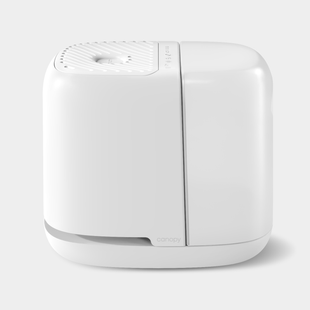
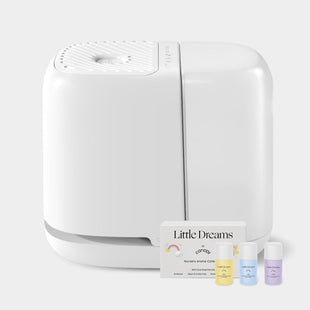
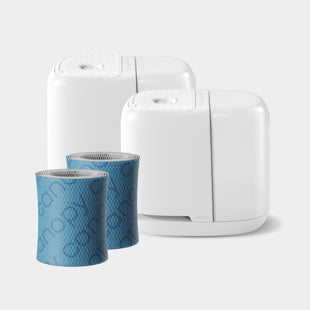
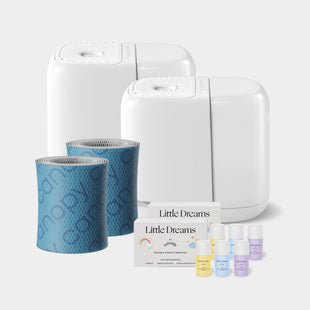
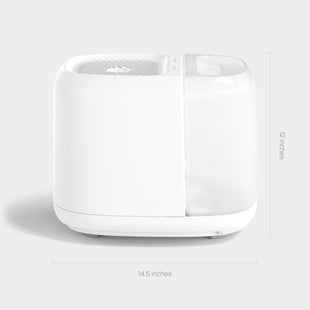
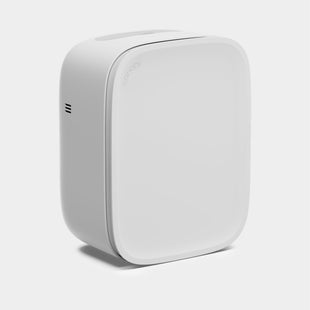
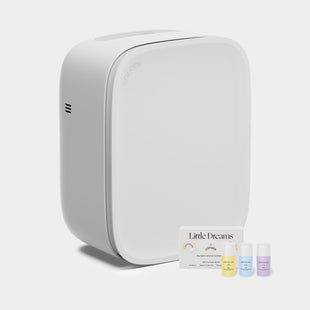
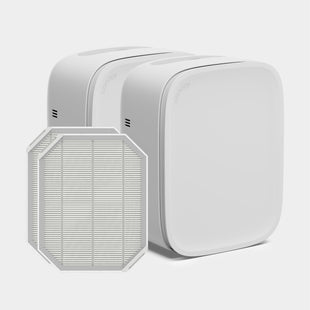
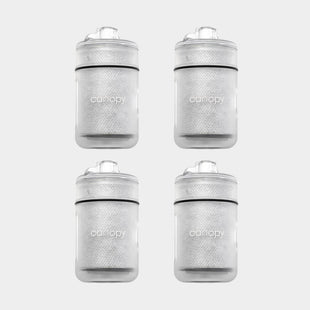
Canopy’s devices are evaporative humidifiers, with most of our models utilizing an innovative no-mist technology known as Smart Persistent Airflow (SPA)™. Through this approach, they sense humidity levels in your environment and deliver clean moisture only as needed and without producing heat, minimizing the risk of mold* and other concerns from excess moisture. You’ll find this technology in our Canopy Bedside Humidifier 2.0, Nursery Humidifier 2.0, and our Large Room Humidifier. Our updated 2.0 models feature optional sleep lights and white noise to make your space even more comfortable.
* - Humidifier does not treat air; inhibits mold growth in device & filter. Third-party testing shown to inhibit growth of Aspergillus niger (commonly known as Black Mold) based on standard GB/T 23332-2018 comparing mold growth in humidifiers with and without Smart Persistent Airflow.
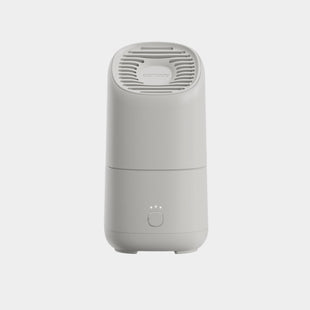
For balanced hydration on the go, our Portable Humidifier boosts humidity using a refreshing, ultra-fine mist, perfect for temporary needs in spaces like hotel rooms or offices.
What Is a Dehumidifier?
As its name implies, a dehumidifier is the exact opposite of a humidifier. While a humidifier increases RH in a particular environment, a dehumidifier reduces RH and removes excess moisture in the air.
Dehumidifiers work by sucking warm, humid air from a room into the device. This air runs over a cold, metal coil, which condenses the moisture into liquid form. The condensation drips through a pipe into a water tank while the fresh, moisture-free air is fanned out through the device and back into the room3.
A dehumidifier can be a useful tool for your home, particularly if you live in a warm, tropical climate or if your home experiences flooding. The dehumidifying device will help to remove excess moisture in the air, which accelerates the drying process and inhibits the growth of mold or bacteria2.
Do I Need Both Devices?
In many homes, the question isn’t whether to use a humidifier vs. a dehumidifier, but when or where to use each. For example, a dehumidifier can prevent mustiness during heavy periods of rain or humid summers, while a humidifier could offset dryness from running the air conditioning or a fan.
A humidifier can also be useful for restoring moisture during dry winter months or in arid climates, and in spaces with babies and small children, who may be more sensitive to the effects of dry conditions4.
People typically go by feel alone when deciding when and where to run a dehumidifier vs. a humidifier. The good news is that Canopy’s SPA™ technology eliminates the guesswork for you, shutting off when needed so humidity levels never get too high.
At Canopy, we believe Air Care is Self-Care. Explore our solutions for humidification at home and on the go for hydrated air wherever life takes you.
Sources:
- Shepherd, B. (3 November 2022). Dehumidifier vs humidifier: Which is best for your home? Live Science. Retrieved February 10, 2026, from https://www.livescience.com/dehumidifier-vs-humidifier
- St. John, A. (26 April 2025). Get the Most From Your Dehumidifier. Consumer Reports. Retrieved February 10, 2026 from https://www.consumerreports.org/appliances/dehumidifiers/how-to-get-the-most-from-your-dehumidifier-a1181356221/
- Jewell, T. (16 July 2020). Humidifier Vs. Dehumidifier: What’s the Difference? Healthline. Retrieved February 10, 2026, from https://www.healthline.com/health/allergies/humidifier-vs-dehumidifier
- Kasch, A. (9 September 2024). Humidifier vs. Dehumidifier: Which One Do You Need? Angi. Retrieved February 10, 2026, from https://www.angi.com/articles/humidifier-vs-dehumidifier.htm


