













The soundtrack of busy city streets isn’t always conducive to peaceful slumber. Learn about white noise for sleep and other ways to improve sleep quality.
Living in a city that never sleeps has its perks, but also its challenges. Whether you’re new to city living or a long-time resident, you might find that the soundtrack of busy streets isn’t always conducive to peaceful slumber.
The good news is that you don’t have to move out of the metropolis to catch up on sleep. Here’s what you should know about getting better rest in the city, even when your neighbors aren’t.
Excess Noise and City Living
While some long-time city dwellers may say they’ve grown used to car horns, trains, and other sounds, the reality is that your body can never fully adjust to loud, jarring noises. Known as noise pollution, street sounds prompt your body to release stress hormones, like cortisol and adrenaline, when they reach your ears. Over time, that stress can contribute to chronic health issues1.
How Noise Pollution Affects Your Sleep

Of course, the effects of noise pollution aren’t limited to daytime hours. Loud city sounds can jar you awake, often leading to irritability and drowsiness the next day. But even if you stay asleep through loud sounds, they can still trigger a physical response without you knowing it by altering the amount of time you spend in certain sleep stages.
For example, exposure to vehicle traffic is associated with increased time in stage one, and limited deep wave and rapid eye movement (REM) sleep. On a long-term basis, poor sleep can have a negative impact on physical health and your circadian rhythm, which helps set your natural sleep-wake cycle2.
How to Improve Sleep Quality in Busy Cities
Oftentimes, city sounds enter homes through doors, windows, HVAC units, and any other cracks in the building. While homeowners may be able to repair or upgrade household features to enhance soundproofing, renters may have limited options for structural changes. Fortunately, any city resident can try these strategies to improve their sleep quality.
Use Physical Barriers
If there’s an entry point that seems to be the main source of sound in your home and you can’t seal or replace it, consider blocking out noise in a different way. Blackout curtains are a great option, since they can make a noticeable difference in diminishing sound (as well as light). Or if there’s a door that sounds seep through, place a door sweep beneath the crack to dampen them (a pillow will work in a pinch, too)3.
Rearrange Your Furniture
The layout of your space can influence how sound travels through your home. You might relocate your bedroom to an interior room for a quieter sleep space, or at the very least, make sure your bed isn’t positioned directly against an exterior wall. Adding rugs can further soften sounds, as can hanging wall tapestries and other soft fixtures. While it may hinder the view, placing heavy furniture like bookcases against windows can have a powerful muting effect3.

Try White Noise for Sleep
It may sound counterintuitive to add even more noise when it’s already creating sleep challenges, but hear us out: the specific sonic qualities of white noise have the ability to mask other, louder sounds, which could help you sleep better. By establishing a buffer between your eardrums and exterior noises, white noise can not only help you fall asleep, but may also keep you asleep with minimal disruption. Research shows that it’s particularly effective for alleviating the effects of noise pollution in cities4.
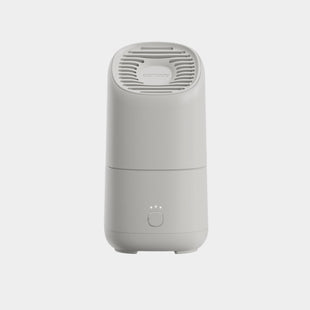
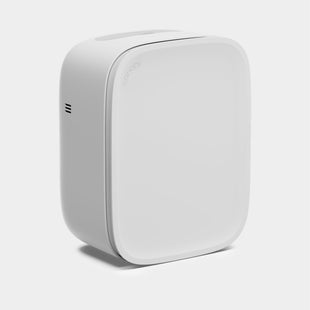
While there are many options available, the best white noise for sleep will come from things that you’re likely to use consistently, including the new Sound Machine + Aroma device. It combines a dimmable nightlight, 15 natural sounds, and aroma diffusion for meditation, relaxation, and slumber. Powered by rechargeable batteries, the compact device is travel-ready for quality sleep wherever you go.
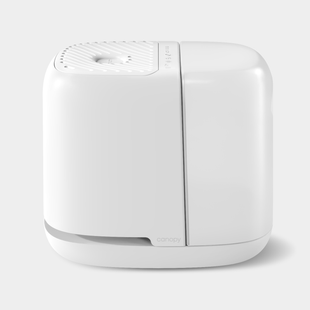
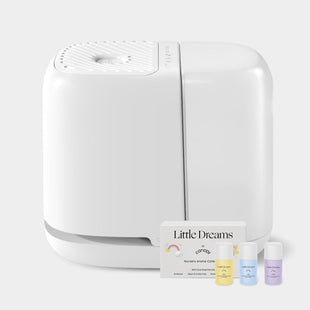
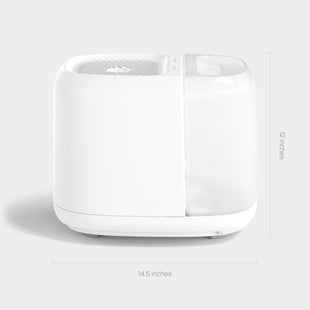
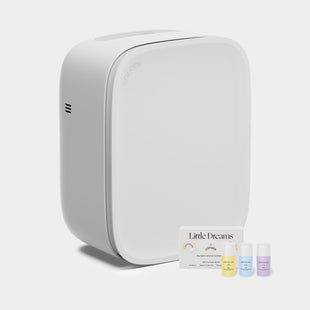
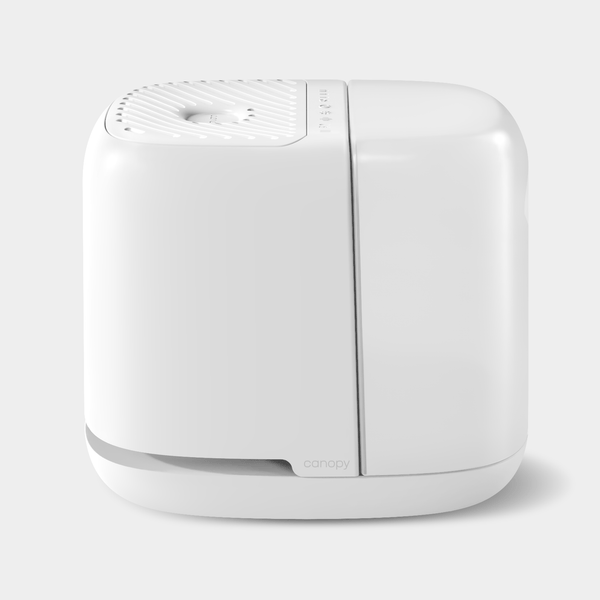
As a tool that not only offers multiple soothing white noise settings but also delivers clean hydration for breathable air, the Canopy Bedside Humidifier 2.0 is also an all-in-one wellness solution for better sleep. Now with a sleeker design ideal for city dwellings, the updated 2.0 model comes with built-in white noise that can be adjusted to enhance your sleep cycle* and promote better rest2.
* - 87% agree it promotes a better night's sleep based on an external Consumer Perception Study of 46 participants, after 30 days. Results may vary.
Whether you’re looking to block out background noise, enhance your air quality, or both, Canopy is your home wellness solution.
Sources:
- (16 August 2023). Understanding the Health Effects of Noise Pollution & How to Block Street Noise Coming in Through Windows. Cityproof. Retrieved February 26, 2026, from https://www.cityproof.com/blog/health-effects-of-noise-pollution/
- Summer, J. (25 July 2025). How Noise Can Affect Your Sleep Satisfaction. Sleep Foundation. Retrieved February 26, 2026, from https://www.sleepfoundation.org/noise-and-sleep
- Mayer, A. (12 November 2025). 14 Tips for How to Block Out Noise While Sleeping. Amerisleep. Retrieved February 26, 2026, from https://amerisleep.com/blog/how-to-block-out-noise-while-sleeping/
- Vinall, M. (27 August 2021). Why White Noise May Help You Get Your Best Sleep Ever. Healthline. Retrieved February 26, 2026, from https://www.healthline.com/health/sleep/why-white-noise-may-help-you-get-your-best-sleep-ever


