













Article Highlights:
Ever thought that the water coming from the bathroom faucet could taste and smell better or do a better job keeping the sink clean? Filtering the tap water in your bathroom can be a helpful step in reducing excess chlorine and mineral content. Canopy’s activated charcoal water filtration can make chores and personal care more enjoyable.
Table of Contents:
- How Hard Water Can Affect the Skin and Hair
- What Excess Chlorine Can Do to Skin and Hair
- Canopy’s Approach to Water Filtration
- FAQ
We often think of water as our purest source of hydration. But while drinking it may indeed be the best way to replenish fluids, the tap water in many homes has contaminants that can affect everything from its taste to its role in your wellness routine. From hard water to chlorine, here’s a look at common water impurities and their impact, and what a bathroom faucet filter can do to address them.
How Hard Water Can Affect the Skin and Hair
Hard Water & Your Home
Hard water is a challenge in 85% of the country, according to the U.S. Geological Survey. With a high concentration of minerals like magnesium and calcium, hard water takes its toll on your home, hair, and skin, detracting from your wellness routine before it even begins1.
While not considered unsafe from a health standpoint, mineral-rich water can be a nuisance, leaving its mark in noticeable ways. For one, you might spot white mineral deposits on your silverware and dishes, or collected along your taps, shower heads, and other plumbing fixtures. Your clothing can even bear the signs of hard water, with a scratchy, stiff feel and accelerated discoloration. Oftentimes, hard water will leave soap scum behind, since it lathers and rinses poorly compared to softer water2.
What Hard Water Means for Your Personal Care Routine
But some of the most noticeable effects of hard water can be found within your hair and on your skin. Showering with hard water often leads to mineral buildup in your hair and on your scalp, preventing moisture from reaching the follicles. As a result, your hair may become thin, brittle, easily tangled, dry, and dull. If you have color-treated hair, you might also find that your salon results fade quickly, and yellow or brassy undertones creep in3.
As for your skin, mineral deposits from hard water are likewise problematic. These agents can react with ingredients in soap and leave a residue behind, disrupting your skin’s natural barrier. Over time, you may notice dryness, tightness, or a dull look to your skin. If your skin already runs sensitive, hard water can make that feeling more noticeable4.
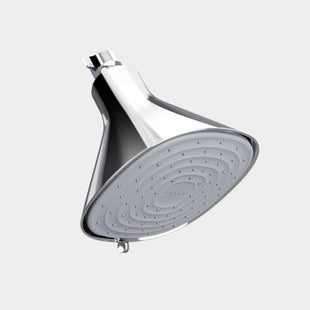
Filtered water is an easy way to be gentler on your skin and hair. While the Canopy Filtered Showerhead and Bath Tub Filters take care of your daily suds sessions, you can extend the benefits of cleaner water with the addition of our Faucet Filter. Keep damaging hard minerals from your face and hands with these simple devices, with multi-stage filtration designed to help reduce chlorine and other common contaminants.
What Excess Chlorine Can Do to Skin and Hair

Sanitation agencies across the U.S. have been using chlorine to disinfect residential water supplies for more than a century5. While this is an important health and safety step, the chemical can negatively impact your skin and hair with continued exposure6.
Since chlorine has a drying effect, it can lead to dry skin, itchiness, and irritation. Not only can this be irritating for cleansing, but it can also make shaving more irritating, too. The chemical can sap moisture from your hair and scalp, too, resulting in dryness and damage. It may even alter your hair’s pigment, making it a common culprit behind unwanted discoloration7.
Aside from the physical effects of chlorine, you might also notice that the chemical produces an off-putting taste. Heavily chlorinated water can have a distinct chemical smell and taste that's not exactly appealing for rinsing, brushing, or hydrating.
The good news is that a bathroom faucet water filter is also a practical solution for chlorine-related challenges. Like the filter in your shower or tub, adding a Canopy filter to your bathroom sink will make your cleansing routine purer and more aligned with your beauty and wellness goals. Plus, your bathroom drinking water will have a more refreshing taste, a welcome relief for sipping before bed or first thing in the morning.
Canopy’s Approach to Water Filtration
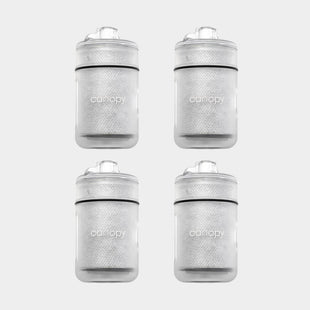
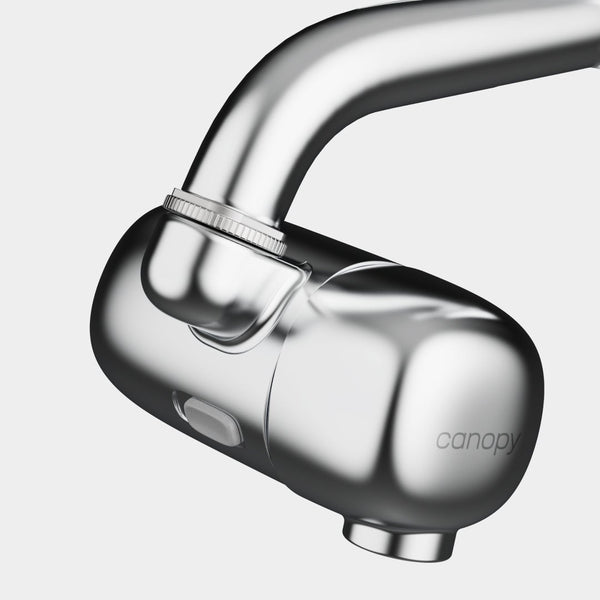
The Canopy Faucet Filter is the simplest way to upgrade the quality of water coming from your bathroom sink. Perfect for renters and owners looking for low-cost, hassle-free solutions, each kit comes with all the tools you’ll need for a user-friendly, 5-minute installation. And after it’s done, you’ll enjoy cleaner, gentler water right from the tap, thanks to a multi-stage filtration system with an activated carbon block and micro mesh, which work together to trap both large and small particles.
While our water filter for bathroom faucets has a sleek appearance with 6 finishes to suit any bathroom aesthetic, its most noteworthy benefits are found in the noticeable difference you’ll experience immediately upon using it. Not only is the water pure and refreshing, but its built-in aerator creates a smooth, silkier stream for a luxurious feel,. The face fountain feature allows you to rotate the spout upwards for simplified cleansing, and the 360-degree swivel also makes placement a cinch.
With customer support to ensure compatibility, seamless filter replacements, and bundle and subscription options to help keep you stocked with spares, it’s the best bathroom faucet filter to support your wellness goals with ease.
FAQ
Can hard water cause hair loss?
While hard water may not cause hair loss directly, it can leave your hair dry, damaged, and brittle, making it less resilient to daily styling and more prone to breakage and loss.
Is chlorine bad for your hair?
Chlorine has a drying effect on your hair, which can leave it more vulnerable to damage from daily wear and tear. It can also alter your hair’s color, particularly if it’s a lighter shade.
What does hard water do to your hair?
Hard water leaves behind deposits of drying minerals like calcium and magnesium, which can prevent follicles from getting the moisture they need to stay healthy. Hair then becomes fragile, dull, and easily tangled. Its color may also fade quickly due to the lack of hydration.
Is chlorine bad for your skin?
Chlorine can cause dry skin, leaving it itchy and irritated. If your skin tends toward sensitivity, the dryness that chlorine can cause may feel more noticeable.

Sources:
- (1975). Water Resources Mission Area. Map of water hardness in the United States. United States Geological Survey. Retrieved August 17, 2026, from https://homewater101.com/articles/hard-water-across-us
- Gromicko, N. Hard Water. International Association of Certified Home Inspectors. Retrieved August 17, 2026, from https://www.nachi.org/hard-water.htm
- Kester, S. (17 March 2026). How to Treat and Prevent Hard Water Hair Damage. Healthline. Retrieved August 17, 2026, from https://www.healthline.com/health/hard-water-hair-damage-treatment
- Hong, H. (13 March 2026). How Bad Is Hard Water for Your Skin? We Asked the Pros. Real Simple. Retrieved August 17, 2026, from https://www.realsimple.com/beauty-fashion/skincare/hard-water-skin
- (27 January 2025). The Use of Chlorine Cylinders in Water Treatment and Disinfection. ChemTech International. Retrieved August 17, 2025, from https://chemtech-us.com/use-chlorine-cylinders-water-treatment-disinfection/
- (14 February 2024). About Water Disinfection with Chlorine and Chloramine. U.S. Centers for Disease Control and Prevention. Retrieved August 17, 2026, from https://www.cdc.gov/drinking-water/about/about-water-disinfection-with-chlorine-and-chloramine.html
- Millhone, C. (30 January 2026). How Chlorine Affects Your Skin, Eyes, and Hair. Health. Retrieved August 17, 2026, from https://www.health.com/side-effects-of-chlorine-on-your-body-7494539


